Roof Leak Repair Guide: How Much Does It Cost to Repair a Roof Leak?

A leaking roof can quickly turn from a minor annoyance into a major headache. Water damage, mold growth, and structural issues can all stem from a small drip that you ignore. If you’ve noticed water stains on your ceiling or heard the telltale drip during a rainstorm, it’s time to act. But before you call a professional, you might be wondering: how much does it cost to repair a roof leak? In this guide, I’ll walk you through everything you need to know about roof leak repairs, from identifying the problem to understanding the costs and deciding on the best course of action.
Understanding the Roof Leak Repair Guide
When it comes to fixing a roof leak, knowledge is power. The first step is understanding what causes leaks and how they can be repaired. Roof leaks can happen for many reasons: damaged shingles, cracked flashing, clogged gutters, or even poor installation. Each cause requires a different repair approach.
Here’s a quick overview of common roof leak causes and their typical fixes:
Damaged or missing shingles: Replace or patch shingles.
Cracked or rusted flashing: Seal or replace flashing around chimneys, vents, or skylights.
Clogged gutters: Clean gutters to prevent water backup.
Roof punctures or holes: Patch with roofing cement or replace the affected area.
Worn-out sealant: Reapply roofing sealant around joints and edges.
Knowing the cause helps you decide whether you can handle the repair yourself or if you need a professional. Small leaks might be manageable with a DIY approach, but larger or hidden leaks often require expert attention.

What Factors Affect the Cost of Roof Leak Repairs?
The cost to repair a roof leak varies widely depending on several factors. Here’s what influences the price:
Size of the Leak
Small leaks that affect only a few shingles or a small patch of flashing are cheaper to fix. Larger leaks or those that have caused extensive water damage will cost more.
Roof Type and Material
Asphalt shingles are generally less expensive to repair than metal, tile, or slate roofs. The complexity of the roof design also matters—steep or multi-level roofs require more labor and safety precautions.
Extent of Damage
If the leak has caused damage to the roof decking, insulation, or interior ceilings, repairs will be more costly. Water damage inside your home can add to the total expense.
Labor Costs
Labor rates vary by region and contractor. Licensed and insured professionals may charge more but provide peace of mind and quality work.
Accessibility
Roofs that are hard to reach or require special equipment will increase the cost.
Time of Year
Emergency repairs during bad weather or off-season work can affect pricing.
On average, minor roof leak repairs can cost between $150 and $400. More extensive repairs might range from $500 to $1,500 or more. For a detailed estimate, it’s best to get a professional inspection.
If you want to learn more about how much to repair a roof leak, this link provides a helpful breakdown of costs and services.
Can You Fix a Roof Leak Without Replacing the Whole Roof?
One of the biggest concerns is whether a roof leak means you need a full roof replacement. The good news is that most leaks can be repaired without replacing the entire roof. Roof replacement is usually a last resort when the roof is old, severely damaged, or beyond repair.
Here’s how you can approach fixing a leak without a full replacement:
Spot Repairs: Fixing the exact area where the leak is located, such as replacing a few shingles or sealing flashing.
Patching: Applying roofing cement or patches to small holes or cracks.
Resealing: Reapplying sealant around vents, chimneys, and skylights.
Cleaning and Maintenance: Clearing gutters and removing debris to prevent leaks.
If you catch the leak early, these repairs can be quick and affordable. However, if the leak has been ongoing for a long time, it might have caused hidden damage that requires more extensive work.
Always inspect your roof regularly and address leaks promptly to avoid costly replacements.
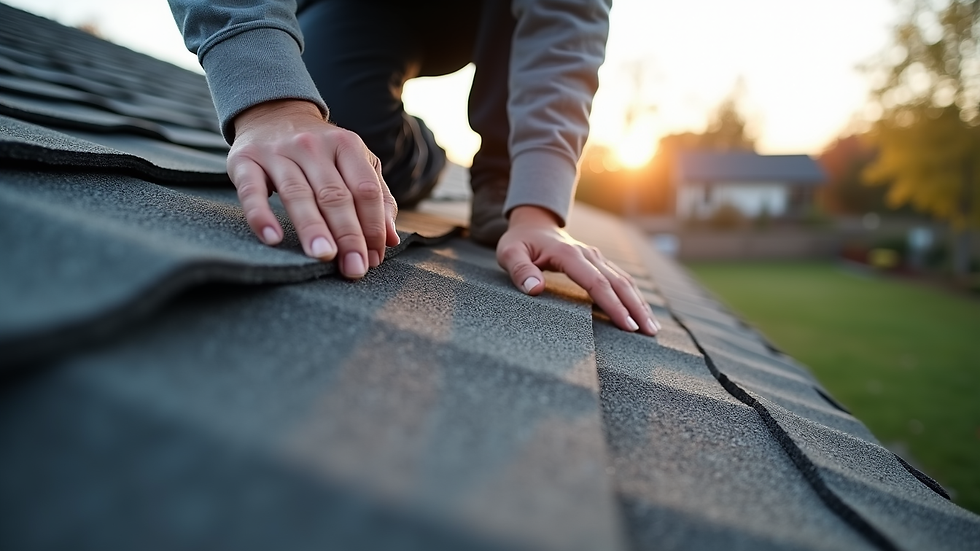
Step-by-Step Guide to Repairing a Roof Leak
If you’re comfortable with DIY projects, here’s a simple step-by-step guide to repairing a minor roof leak:
Locate the Leak
Start inside your home by looking for water stains or damp spots on ceilings and walls. Then, inspect your roof for damaged shingles, cracked flashing, or holes.
Gather Materials
You’ll need roofing cement, replacement shingles, a putty knife, roofing nails, a hammer, and sealant.
Remove Damaged Shingles
Carefully lift the damaged shingles and remove nails. Be gentle to avoid damaging surrounding shingles.
Apply Roofing Cement
Spread roofing cement under the edges of the surrounding shingles and press the new shingle into place.
Nail the New Shingle
Secure the new shingle with roofing nails, making sure they are covered with roofing cement to prevent leaks.
Seal Flashing and Joints
Apply roofing sealant around flashing, vents, and chimneys to ensure a watertight seal.
Clean Up
Remove debris and check gutters to ensure water flows freely.
If you’re unsure or the leak is large, it’s best to call a professional. Safety is crucial when working on roofs.
When to Call a Professional for Roof Leak Repairs
While small repairs can be done on your own, some situations require professional help:
Extensive Damage: If the leak covers a large area or has caused interior damage.
Complex Roofs: Steep, multi-level, or flat roofs can be dangerous and tricky to repair.
Hidden Leaks: When you can’t find the source of the leak.
Repeated Leaks: If the same area leaks multiple times, it may indicate a bigger problem.
Lack of Tools or Experience: Roofing repairs require specific tools and skills.
A professional roofer can provide a thorough inspection, identify all problem areas, and offer a warranty on their work. This can save you money and stress in the long run.
Protect Your Investment with Regular Roof Maintenance
Preventing leaks is always better than fixing them. Regular roof maintenance can extend the life of your roof and keep your home safe.
Here are some tips to maintain your roof:
Inspect your roof twice a year, especially after storms.
Clean gutters and downspouts regularly.
Trim overhanging tree branches to prevent damage.
Check attic ventilation and insulation.
Address minor issues promptly before they worsen.
By staying proactive, you reduce the chances of costly repairs and keep your roof in top shape.
Taking care of a roof leak quickly and effectively protects your home and your wallet. Whether you decide to tackle a small repair yourself or hire a professional, understanding the process and costs helps you make the best decision. Remember, a well-maintained roof is a strong shield against the elements and a smart investment in your property’s future.


Comments